


Mount Rinjani Trek (2 days/1 night): my complete guide + honest feedback
Climbing Mount Rinjani in Lombok is one of the most intense experiences I’ve ever had while traveling. I’m sporty, used to hiking, and still: this trek was a real challenge. Beautiful, spectacular… but also extremely physically demanding. If you’re planning to do Rinjani or still hesitating, here’s a complete guide and 100% honest feedback to help you prepare properly.
INDONESIA
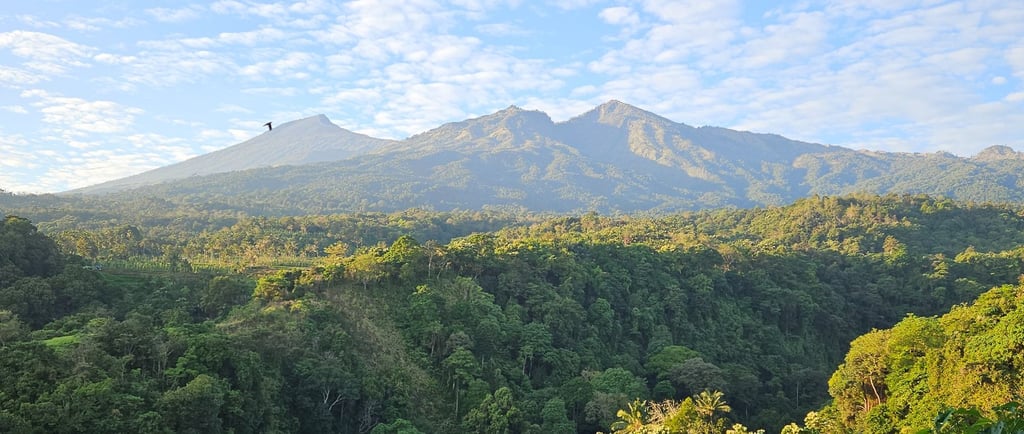
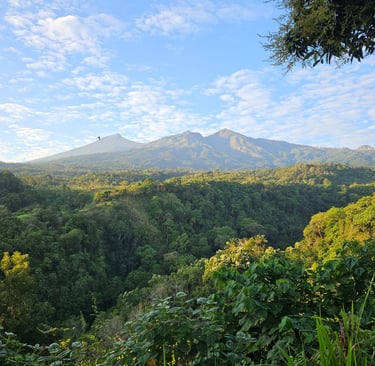
What is Mount Rinjani?
Active volcano located on the island of Lombok in Indonesia
Highest point: 3726 m
Considered one of the most difficult treks in the country
Several options: 1 day, 2 days/1 night, or 3 days/2 nights
ℹ️ Most travelers choose 2 days / 1 night, which is what I did.
Which option should you choose?
2 days / 1 night (the option I chose): Intense, physical, but enough to reach the summit. Perfect if you’re already somewhat sporty.
3 days / 2 nights: Slower and more comfortable, but more expensive and you need to plan 4 full days in your trip.
1 day: Only if you are VERY trained and don’t want to sleep on the volcano.
Ascent + descent in one go: almost impossible for most people.
How it goes – My experience:
Day 0 – Transport, briefing and hotel
The day before departure should be counted in your experience because depending on the organization you chose, it includes: a driver who picks you up anywhere in Lombok and takes you to the hotel included in the trek price.
A briefing about the trek and its different stages is done before or after arriving at the hotel.
Accommodation is quite basic and dinner not included. My advice: eat well, rest, and make sure you haven’t forgotten anything. You can also buy extra energy bars—there is no such thing as too many.
Day 1 – Departure 8 a.m. & ascent to the camp (2800m)
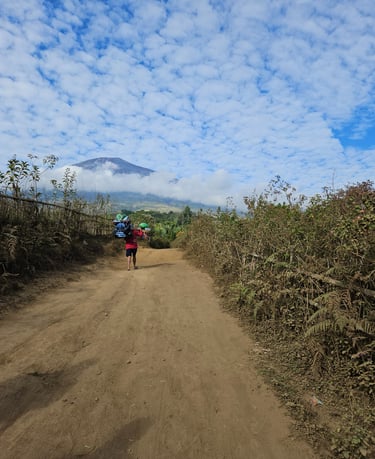
The trek starts after a security check. You walk for about 6 hours, with several stops to catch your breath and for lunch, spread across several “posts.” There are four in total.
I was accompanied by a private guide (which I really recommend), and a porter.
Porters are incredible: they carry between 30 and 40 kg, wearing flip-flops on the way up and even barefoot on the way down.
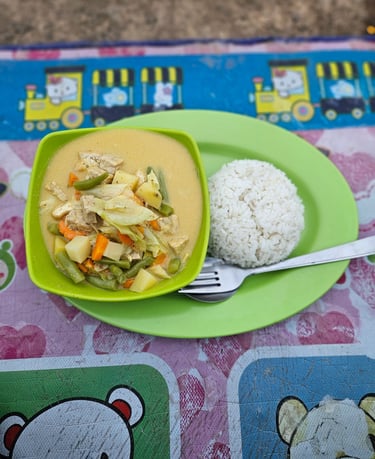
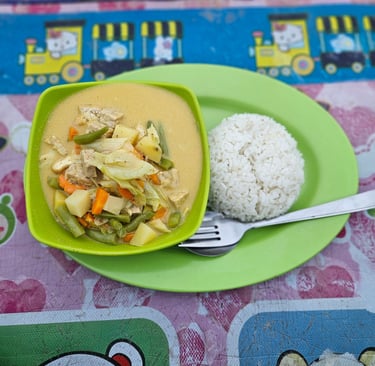
They are also cooks, as they prepare all your meals and your tea or coffee throughout the trek.
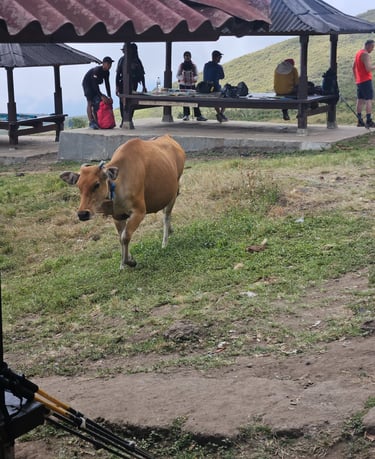
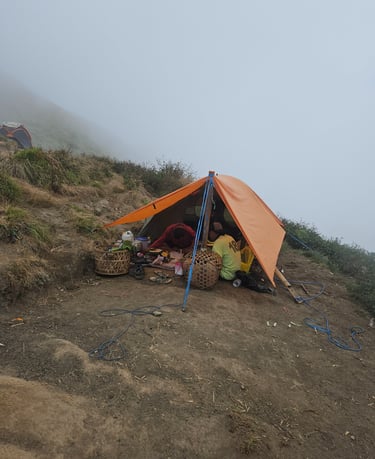
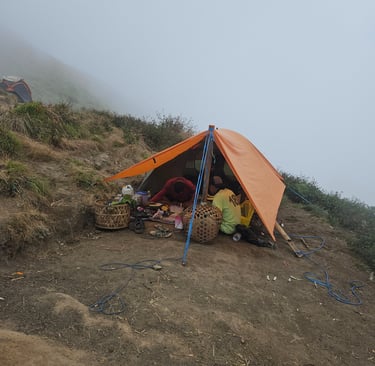
Arrival at the camp located at 2800 m. Your tent is already set up with your sleeping bag inside, and tea with small cookies awaits you: porters arrive way before you!
The tent spot depends on the porters’ arrival time: first come, first served!
Then you get some rest and it’s an opportunity to get to know your guide, porters, and group members.
Dinner follows, and the night is very short because the next day you wake up at 1:30 a.m. 😴
I started feeling sick as soon as I arrived at camp: headache, nausea, slight dizziness. It was evidently altitude sickness. Many people were unwell, so some couldn’t attempt the ascent the next day.

Day 2 – Wake up 1:30 a.m., ascent and descent
Wake-up at 1:30 a.m. after a short night. The porters prepare breakfast that you eat quickly before starting the ascent to the summit.
I personally couldn’t eat anything because I felt very sick.
Departure at 2 a.m., in complete darkness, only lit by your headlamp. You absolutely need one; without it the climb is impossible. I give you a gear list at the end of the article.
The ascent is very tough and steep, with up to 50-degree inclines. You walk on a narrow trail, one behind another. It’s volcanic sand, so you take one step up and slide two steps back. Many people give up during the ascent; my guide told me the drop-out rate is 30%.
The climb to the summit takes about 4 hours. The last part takes 1h30 and is the most difficult because you can’t stop for a second, as it would be dangerous for the people behind you.
I stopped before this section, 300 m from the summit, completely sick from altitude.
And honestly: it was the right decision. But even without reaching the top, watching the sunrise from Rinjani’s slopes is a magical moment.
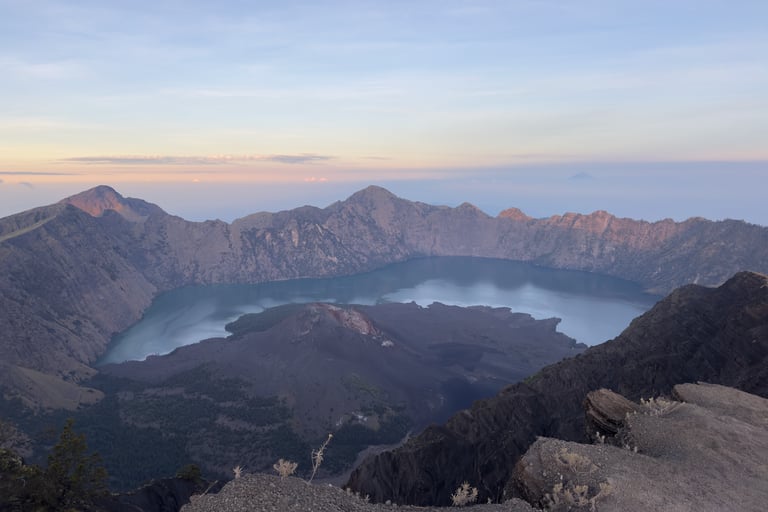
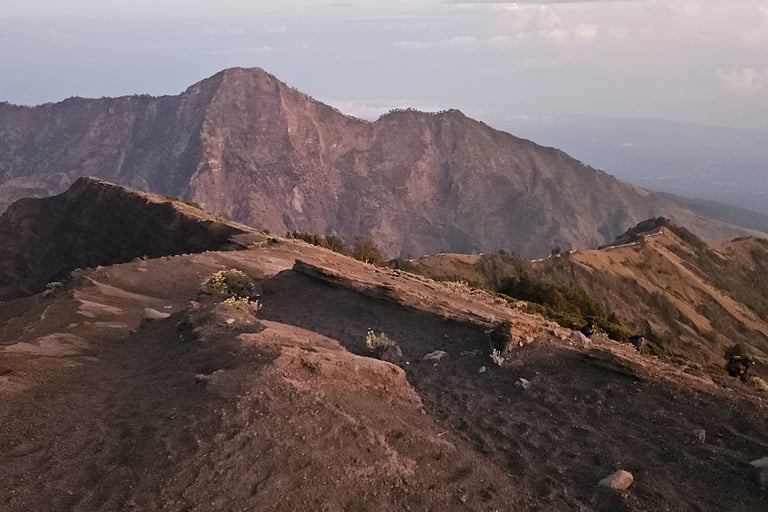
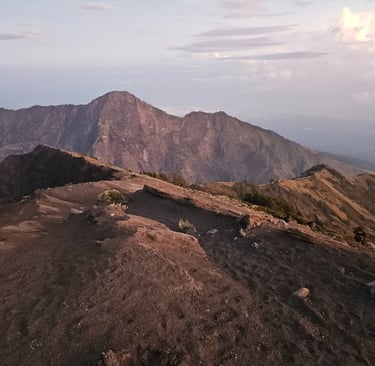
Back to camp: after watching the sunrise, you go back down to the camp for food and to pack your things before descending.
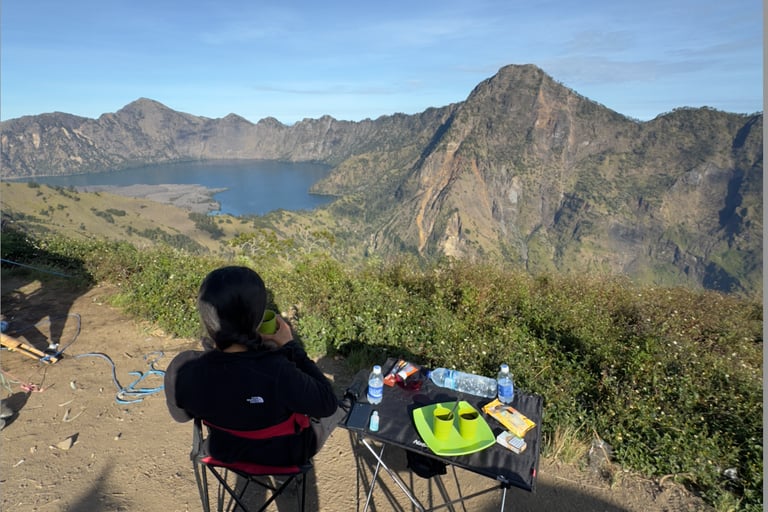
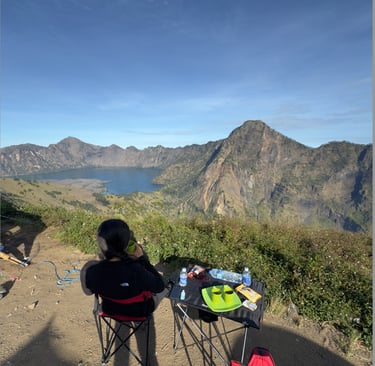
Remember the 50-degree incline? You’re doing it the other way now—and it’s not better!
The descent is extremely exhausting; for me it was the hardest part. You accumulate fatigue and it’s very slippery. There are many falls and it’s mentally long.
Count 7 to 8 hours to get down.
You pass through the same checkpoint as on the way up and that’s it! Remember to give cash tips to the guide and porters before leaving.
Depending on your trek organizer, a driver is included to take you to your next destination in Lombok.
⚠️ This trek is not something to take lightly:
There have been accidents and even deaths… Weather changes fast, altitude, extreme fatigue…
It’s not a walk in the park. If you’ve never done a trek, I do not recommend it.
But if you’re sporty and ready to push yourself, it’s an incredible experience.
💰 Price and what’s included:
Depending on the agency, expect between €100 and €300 for 2D/1N. It depends on comfort, whether you have a private guide or not, and the quality of the camp.
The one I chose included: private guide, 1 porter per person, hotel the night before, tent, mattress, sleeping bag, all meals included (except day 0), and transportation.
🎒 Essential equipment:
Warm clothes (gloves, beanie, fleece jacket) it’s very cold at the summit
Change of clothes (you sweat a lot)
Hiking shoes
Headlamp
CamelBak and/or water bottles if possible (in addition to what is included)
Snacks
Hiking poles (very useful, available for rent on site)
Basic medicine
Cap and sunscreen
Baby wipes (you’ll thank me later!)
Note: the porter does NOT carry your personal belongings — you must carry your own bag.
Safety, prices and equipment:
Conclusion:
Mount Rinjani is one of the hardest treks in Indonesia… but also one of the most beautiful. Despite the fatigue and altitude sickness, I absolutely don’t regret it.
I recommend it to sporty people and those who enjoy pushing their limits.
However, if you are afraid of heights, have respiratory issues, or don’t exercise, I would advise skipping it…
💬 If you have any questions or want the contact details of the agency I used, feel free to reach out.